How Long Do Ovens Last? Electric vs Gas
Most kitchen ovens can last between 13 and 18 years, making them one of the most durable appliances in your home. With regular maintenance and proper use, both gas and electric ovens can meet—or even exceed-these averages.
Choosing between gas and electric often depends on your cooking style or home setup, but knowing their lifespan and care requirements can help you make a smart long-term investment. Modern ovens also come with advanced features like convection baking, digital controls, and smart technology, which can enhance both performance and durability when used correctly.
Electric vs Gas: Which Lasts Longer?
Oven lifespan depends more on usage and maintenance than on fuel type, though there are some differences:
- Gas ovens typically last 15–18 years.
- Electric ovens usually last 13–15 years.
With proper care, both types can surpass these ranges.
Electric Ovens
Electric ovens have simpler mechanics without combustion parts, reducing certain failure points like gas valves or ignition systems. However, electronic controls can fail and may be expensive to repair.
- Coil-top electric ovens are very durable. The elements are inexpensive and easy to replace.
- Smooth-top electric ovens look modern and have sealed surfaces to protect internal parts. However, glass tops can crack if heavy objects are dropped or sudden temperature changes occur, and replacements can be costly.
Gas Ovens
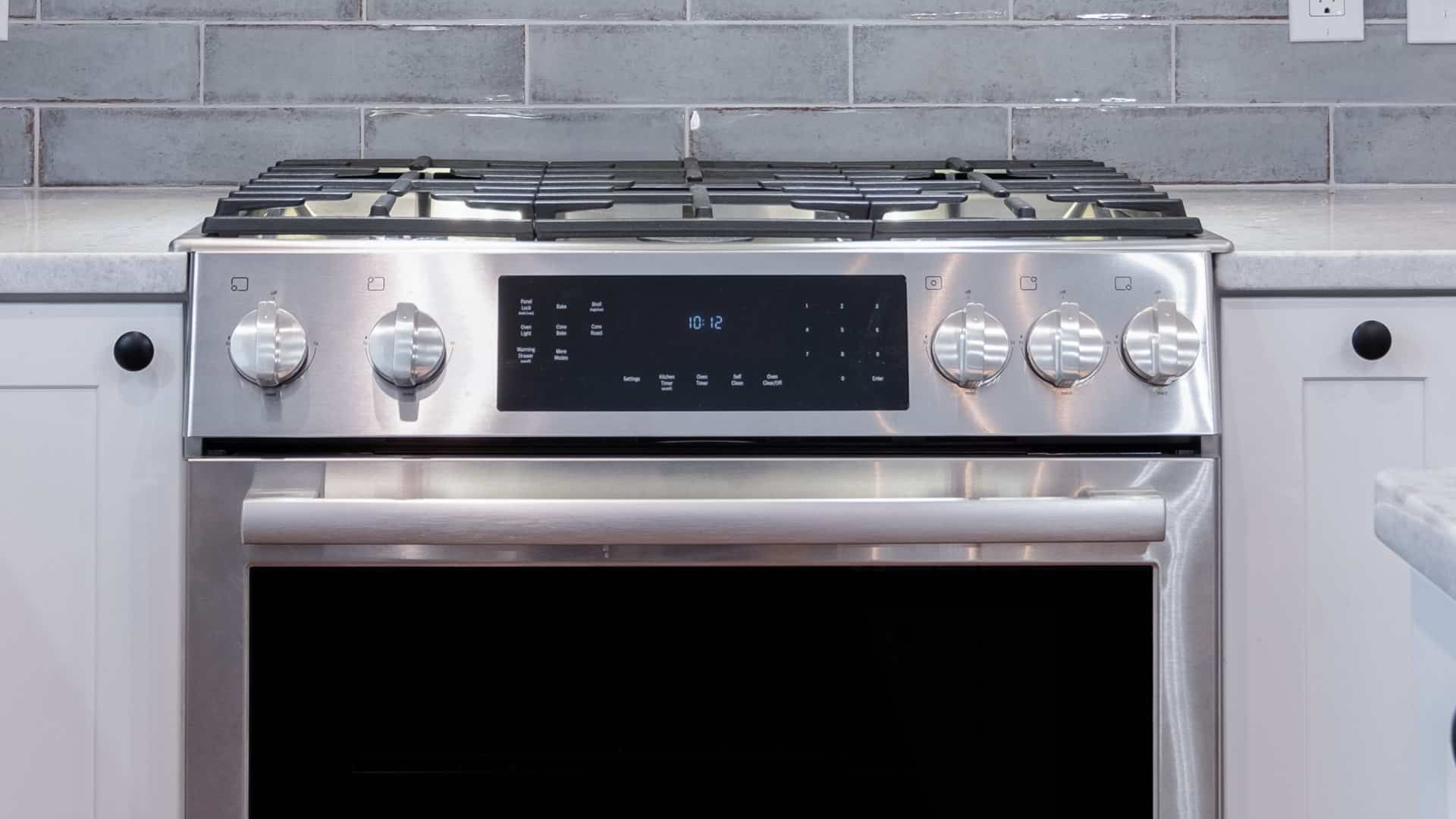
Gas ovens heat up quickly and offer precise temperature control, making them a favorite for avid cooks. Their components, like igniters, valves, and burners, may need maintenance over time. Many gas parts are built for longevity; cast iron grates and brass burner caps can last for decades if cleaned and maintained regularly.
Higher-end models of both types often feature more durable components, resulting in fewer issues over time compared to entry-level ovens.
Factors That Affect Oven Lifespan
Frequency and intensity of use have the biggest impact on an oven’s lifespan.
- Daily cooking at high temperatures can wear out heating elements, knobs, and door hinges faster than occasional use.
- Self-cleaning cycles can reach over 800°F, stressing door seals and electronics. While effective for cleaning, frequent use can shorten oven life. Manual cleaning is often gentler.
- Routine cleaning is essential. Grease and food debris can block burners, affect heating, and create fire hazards. Promptly wiping spills helps prevent baked-on messes, especially on smooth-top surfaces.
Common Issues in Older Ovens
Certain components are more likely to fail as ovens age:
- Electric ovens: Heating elements may need replacement after 7–10 years.
- Gas ovens: Igniters often weaken or fail after 3–5 years, causing unreliable starts.
- Electronic components: Digital sensors and control boards improve accuracy but can fail and be costly to replace.
- Door hinges and gaskets: High heat and frequent use can loosen hinges and wear out seals, reducing efficiency.
Maintenance Tips to Extend Lifespan
Simple care can significantly increase oven longevity:
- Gas burners: Clean regularly to prevent clogs and ensure even flames.
- Electric coils: Clean gently when cool; replace misshapen elements.
- Smooth-top surfaces: Use approved cleaners and soft tools to prevent scratches.
- Interior: Clean spills promptly instead of relying solely on self-clean cycles.
- Control panel: Keep dry and free of grease to avoid button or electronic malfunctions.
Repair or Replace?
Consider the oven’s age and repair costs:
- 12–15 years old: Major repairs may not be cost-effective.
- Newer ovens: Fixing minor issues is usually better if the appliance still meets your needs.
Replacing an oven can bring benefits like improved temperature control, energy efficiency, and modern safety features.
Safety Considerations
Older ovens can pose risks:
- Gas ovens: May lack automatic shutoff or flame detection. If you smell gas, stop use and call a professional.
- Electric ovens: Damaged cords or overheating parts can be fire hazards. Flickering, tripping breakers, or unusual odors should not be ignored.
Always leave repairs involving gas or internal electronics to trained professionals. Annual inspections are recommended for safety.
Tips to Maximize Oven Life
- Ensure proper installation: level surface, good ventilation, stable gas or power connections.
- Use the oven correctly: avoid over-preheating and overusing self-clean features.
- Watch for early warning signs: odd smells, uneven heating, or error codes.
- Keep a maintenance log to track cleaning, repairs, and inspections.
Conclusion
With proper care, both gas and electric ovens can last 13–18 years or more. Regular maintenance, gentle use, and prompt attention to problems are key to long-lasting performance. Understanding your oven’s lifespan and care needs helps you make the best choice for your kitchen, whether maintaining your current appliance or considering a replacement.